
Common Mistakes When Choosing a Clothing Manufacturer (And How to Avoid Them)
Choosing the wrong clothing manufacturer can cause delays and financial loss for fashion brands. Learn the most common mistakes startups make when selecting a clothing manufacturer and how to avoid them.
Ashanari
3/7/20262 min read
Common Mistakes When Choosing a Clothing Manufacturer
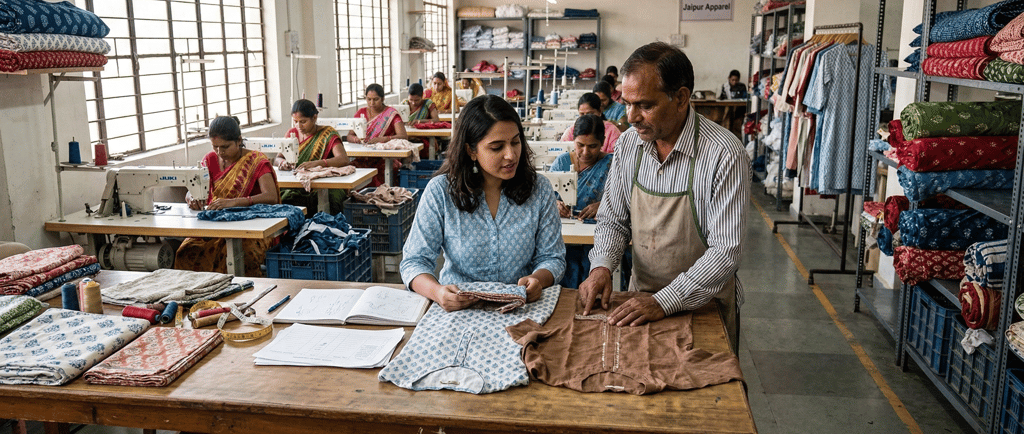
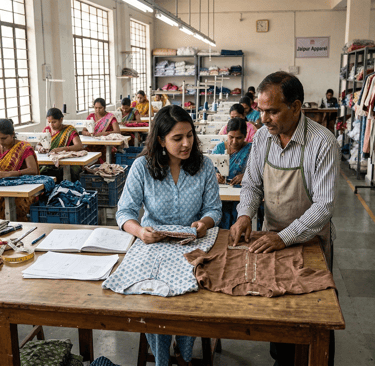
For fashion startups and small clothing brands, choosing the right clothing manufacturer is one of the most important business decisions. A good manufacturing partner helps transform designs into real garments and ensures quality production. However, many new brands rush into partnerships without properly evaluating manufacturers. This can lead to production delays, poor quality garments, and unexpected costs. Understanding the common mistakes brands make when choosing a clothing manufacturer can help avoid these problems and build a successful production partnership.
Mistake 1: Choosing a Manufacturer Without Understanding MOQ
One of the biggest mistakes startups make is contacting manufacturers without understanding minimum order quantity requirements.
MOQ refers to the smallest number of garments a manufacturer is willing to produce for one design.
Large factories often require high production volumes, which may not be suitable for small brands. Working with a manufacturer that offers low MOQ clothing manufacturing allows startups to begin with smaller production runs and test their designs in the market.
Mistake 2: Not Requesting Samples Before Production
Some brands move directly into bulk production without requesting a sample garment.
This can be risky because small changes in pattern making, stitching, or fabric choice can affect the final product.
Sampling helps brands check:
garment fit
stitching quality
fabric feel
design accuracy
Always approve a sample before starting bulk manufacturing.
Mistake 3: Ignoring Communication and Transparency
Good communication between brands and manufacturers is essential.
A reliable manufacturer should clearly explain:
production timelines
sampling procedures
fabric sourcing
pricing structure
Manufacturing partnerships work best when both sides maintain open communication throughout the process.
Mistake 4: Choosing Based Only on Price
While production cost is important, choosing a manufacturer only because of lower pricing can create problems.
Extremely low prices may result in:
poor stitching quality
inconsistent sizing
delayed production
Fashion brands should focus on quality, experience, and reliability rather than just comparing costs.
Mistake 5: Not Checking Manufacturing Capabilities
Different clothing manufacturers specialise in different types of garments.
Some focus on:
western wear
boutique fashion
sustainable fabrics
block printing
embroidery
Before selecting a manufacturer, brands should confirm that the factory has experience producing the specific type of garments they want to create.
Mistake 6: Not Understanding the Full Production Process
Many startups are unfamiliar with the clothing manufacturing process.
Production usually includes several steps:
design development
pattern making
sample creation
fabric sourcing
bulk production
quality inspection
Understanding these stages helps brands communicate clearly with manufacturers and manage expectations.
How the Right Manufacturer Supports Fashion Brands
The right clothing manufacturer does more than just stitch garments. They act as a production partner and guide brands through the manufacturing process.
Good manufacturers typically provide:
sample development
flexible production quantities
custom design support
fabric sourcing assistance
quality control
This support makes it easier for new brands to launch their clothing collections successfully.
Conclusion
Choosing the right clothing manufacturer requires research, communication, and careful evaluation.
By avoiding common mistakes such as ignoring MOQ requirements, skipping sampling, or focusing only on price, fashion brands can build strong manufacturing partnerships and produce high-quality garments.
With the right production partner, even small fashion brands can successfully launch and grow their clothing lines.
Contact
Reach out for custom orders or questions
call | Whatsapp | email
ashanariindia@gmail.com
Nitin +91-9351612343
Deepti +91-9549123654
Address:
Ashanari Pvt. Ltd.
A-68, Vidhyut Nagar, Ajmer Road, Jaipur,
Rajasthan, India -302021
© 2018. All rights reserved by Ashanari Pvt. Ltd
info@ashanari.com