
Organic Cotton Fabric Supplier in India
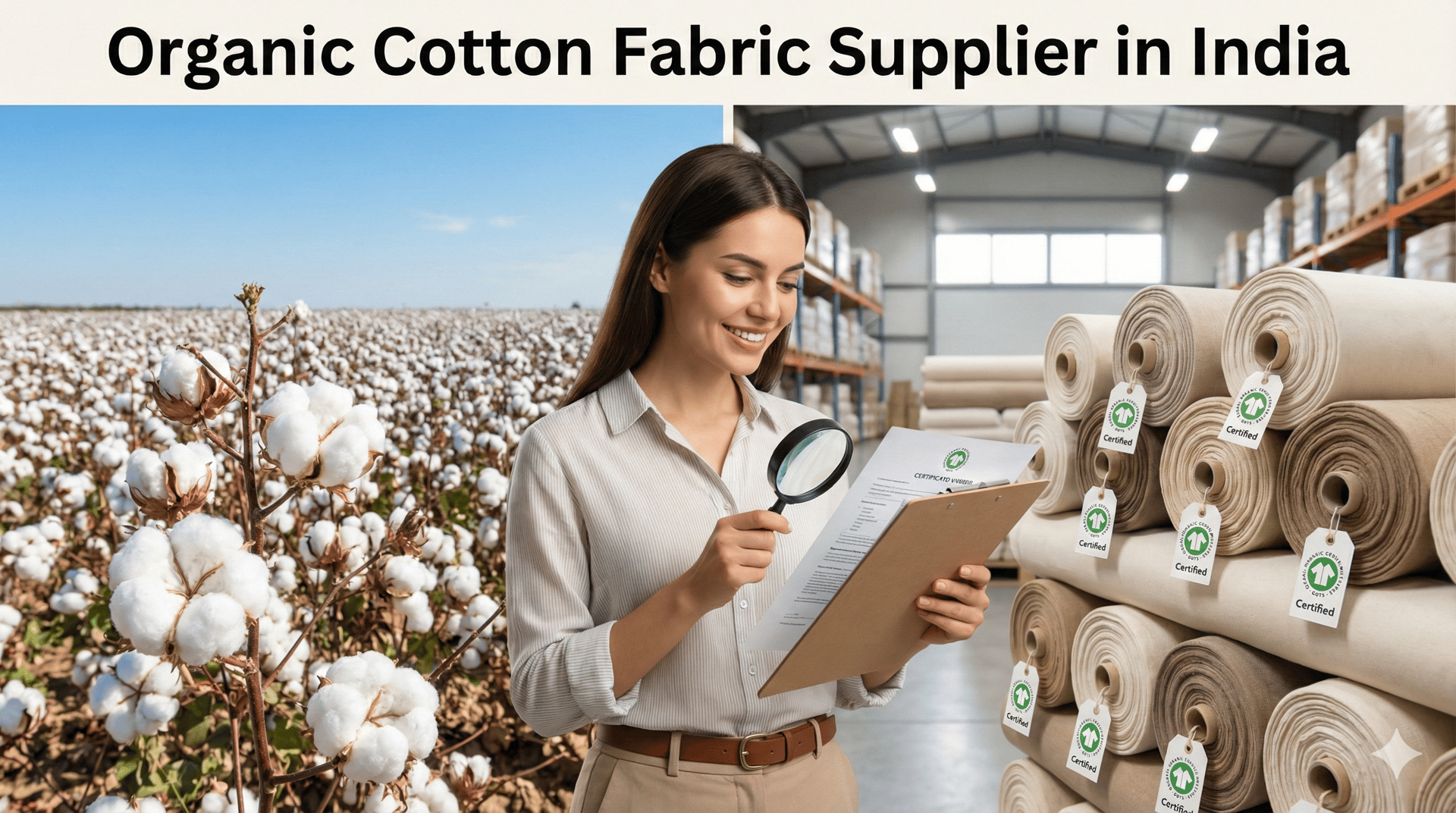
Source certified organic cotton fabrics from India. Get GOTS-grade, sustainable cotton fabric with low MOQs and export support for fashion and home brands.
Ashanari (B2B fabric manufacturer)
1/31/20263 min read
Organic Cotton Fabric Supplier in India for Sustainable Brands
Why Organic Cotton Fabrics from India?
Sustainable and organic collections are no longer niche—they are a core expectation from many fashion and home brands worldwide. India plays a major role in global organic cotton supply, making it a natural sourcing base for certified organic cotton fabrics.
From small consciously‑driven labels to large global retailers, buyers rely on Indian mills for organic jersey, shirting, dresses, kidswear, and home textiles. For you as a buyer, this means you can build certified programs with traceable organic cotton, supported by an experienced supply chain.
Rising Demand for Sustainable Textiles
Customers increasingly ask how and where their fabrics are produced. Organic cotton responds to this by eliminating genetically modified seeds and restricting the use of harmful chemicals at the farming stage. In combination with responsible processing, this supports a more sustainable product story.
Brands use organic cotton fabrics to strengthen their positioning, meet retailer requirements, and comply with internal ESG goals.
India’s Role in Organic Cotton Cultivation
India has extensive organic cotton cultivation and a well‑developed network of ginners, spinners, and mills linked into certification bodies. This supports consistent supply of organic yarns and fabrics in a variety of counts and constructions.
Working with a certified organic cotton fabric supplier in India helps you access this network without managing multiple small farms or facilities directly.
Organic Cotton Fabrics We Offer
Organic programs today span both knits and wovens, across many end‑uses.
GOTS‑Certified Knitted Organic Cotton
For jersey-based garments, common organic options include:
Single jersey organic cotton for t‑shirts, kidswear, and basics.
Rib and interlock for babywear, loungewear, and intimate garments.
Brushed and fleece organic knits for cozy winter and athleisure products.
GOTS certification adds assurance that both fibre and processing meet recognised organic standards.
Woven Organic Cotton
For woven categories, options include:
Poplin and cambric organic cotton for shirts, tops, and dresses.
Voile and lawn for lightweight summer garments and scarves.
Canvas and sheeting for bags, bedding, and accessories.
Depending on your requirement, yarn‑dyed organic fabrics and organic cotton blends may also be possible.
Organic Cotton Blends and Finishes
Some programs use:
Organic cotton with low‑impact dyes and finishes.
Organic cotton blended with other sustainable fibres as allowed.
Special finishes that remain within certification rules.
Your supplier can guide you on what is permitted under the chosen standard.
Certifications, Traceability & Compliance
Organic claims must be backed by credible certificates and systems.
GOTS and Other Sustainability Certifications
A serious organic cotton fabric supplier in India typically works under:
GOTS (Global Organic Textile Standard) for fully certified products.
Other voluntary compliance systems depending on the mill and buyer needs.
Ensure that the supplier’s scope certificates are valid and cover your intended product categories.
Traceability and Transaction Certificates
For many buyers, it is not enough to know that a fabric is “organic”—they need batch‑level documentation. Your supplier can support with:
Transaction certificates (TCs) for specific shipments.
Records that connect your fabric to certified yarn and fibre sources.
This documentation is critical if you sell to retailers or markets that audit sustainability claims.
Social and Process Compliance
Beyond fibre, brands care about how fabrics are made. Many organic programs come from mills with strong social audits and environmental controls, adding another layer of trust.
MOQ & Pricing for Organic Cotton Fabrics
Organic cotton fabrics cost more than conventional cotton, but smart planning helps manage the impact.
MOQ Brackets
MOQs for organic programs may be higher than conventional, due to:
Minimum run sizes for certified spinning and processing lines.
Special handling and segregation requirements.
However, many Indian suppliers now design their setups to serve small and mid‑size brands as well, with practical MOQs per colour and design.
Cost Drivers
Key factors that influence organic fabric prices:
Fibre and yarn premium versus conventional cotton.
Complexity of dyeing/printing within certification rules.
Order size, shade count, and repeat potential.
Discuss your budget and volume early, so the supplier can propose constructions that fit your price segment.
Optimising Cost
You can optimise pricing by:
Reducing the number of shades and print variants.
Using common bases across multiple styles.
Planning recurring programs instead of one‑off orders.
Exporting Organic Cotton Fabrics Worldwide
An organic cotton fabric supplier in India should be comfortable shipping to major markets.
Meeting USA and European Expectations
USA and European buyers expect:
Clear labelling and packaging to avoid mix‑ups.
Test reports from approved labs where required.
Supporting documents for eco‑claims.
You can align testing protocols with your own or your retailer’s requirements.
Middle East and Asia
In the Middle East and Asia, eco‑positioning and certification are also gaining importance, especially in premium segments. Having a single Indian partner who can supply organic fabrics across multiple markets simplifies management.
Shipping and Packaging
Environmentally conscious packaging, such as recyclable materials, can be discussed and implemented where practical.
How to Start Your Organic Cotton Sourcing from India
To begin, prepare:
A list of fabrics you want in organic form (jersey, poplin, voiles, etc.).
Any specific certifications required (e.g., GOTS only).
Target price range and volume by style or program.
Share this along with your brand background and timelines. Your supplier can then suggest suitable organic fabrics, send swatches, and outline MOQs and lead times.
Contact
Reach out for custom orders or questions
call | Whatsapp | email
ashanariindia@gmail.com
Nitin +91-9351612343
Deepti +91-9549123654
Address:
Ashanari Pvt. Ltd.
A-68, Vidhyut Nagar, Ajmer Road, Jaipur,
Rajasthan, India -302021
© 2025. All rights reserved with ashanari pvt ltd
info@ashanari.com