
Western Cotton Clothing Manufacturer UK | Low MOQ
Looking for a low MOQ western cotton clothing manufacturer UK brands trust? Guide for startups and growing labels on woven garment production.
Ashanari
2/26/20262 min read
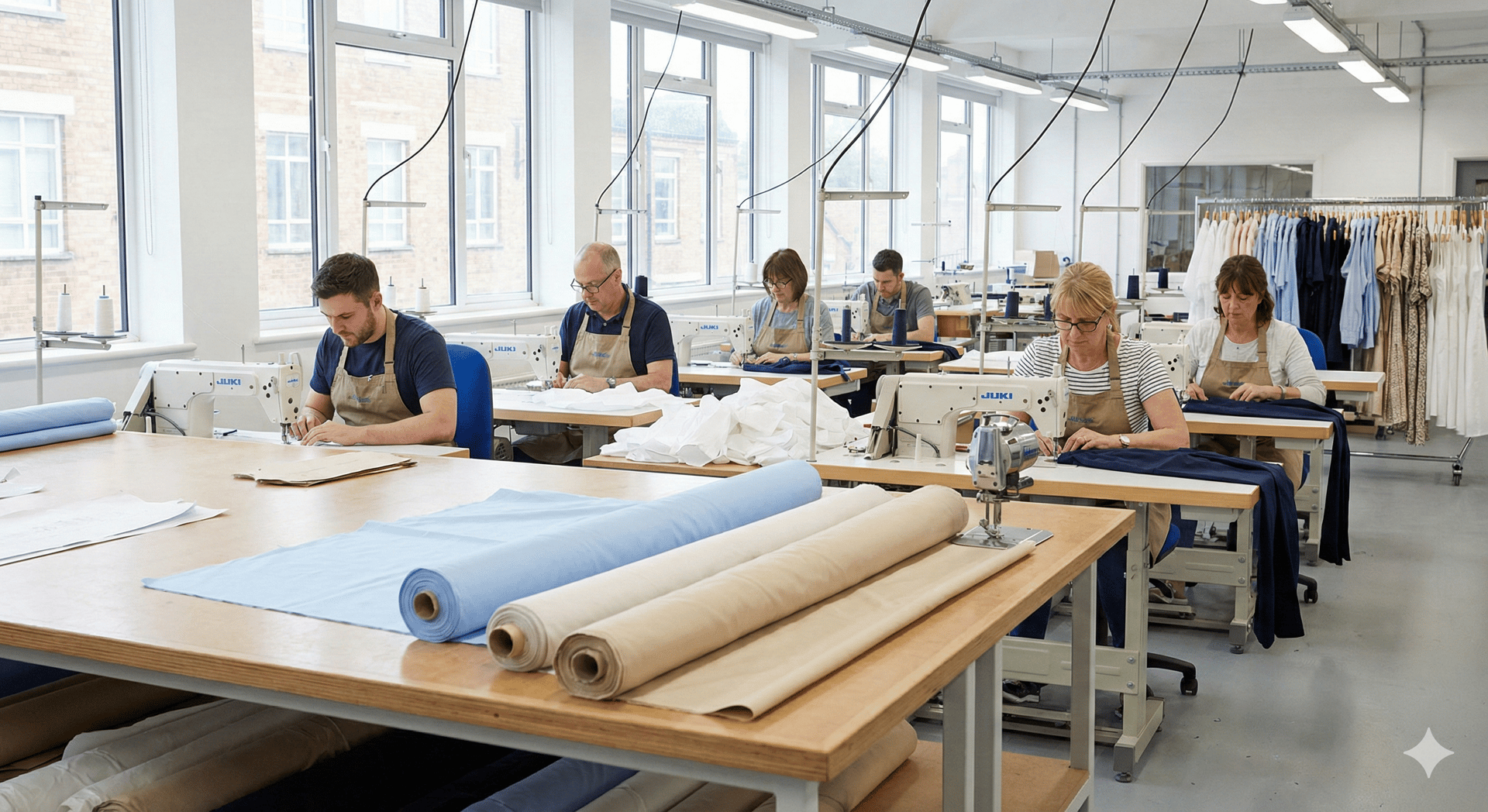
Western Cotton Clothing Manufacturer UK: A Practical Guide for Startup & Growing Fashion Brands
If you are launching a fashion brand in the UK, one of the most important decisions you will make is choosing the right clothing manufacturer.
And if your collection includes structured dresses, shirts, trousers, blouses, or co-ord sets made in cotton fabric, you are not looking for a t-shirt factory.
You are looking for a woven cotton garment manufacturer.
Searches for “clothing manufacturer UK,” “private label clothing manufacturer UK,” and “low MOQ clothing manufacturer UK” continue to grow as more founders launch independent brands. But many factories specialise only in knitwear and basic jersey production.
If your brand focuses on western silhouettes in woven cotton, the manufacturing process is completely different.
This guide explains what UK startups and mid-size brands should look for.
Why Woven Cotton Clothing Manufacturing Is Different
Woven cotton fabrics such as poplin, cambric, voile, twill, and satin do not stretch like knit fabrics.
That means:
Fit must be precise
Pattern cutting must be accurate
Seam finishing must be clean
Shrinkage must be controlled
Grading must be consistent
A true cotton garment manufacturer, UK brands can rely on understands these technical requirements.
Many startup founders searching for “western wear manufacturer UK” discover too late that not every clothing factory handles structured garments properly.
What UK Startup Brands Should Prioritise
1. Low Minimum Order Quantities (MOQ)
Cash flow matters.
A low MOQ clothing manufacturer allows you to:
Test 50–150 pieces per design
Launch capsule collections
Reduce unsold stock
Adjust sizing based on feedback
For emerging brands, flexibility is critical.
2. Clear Sampling Process
Before bulk production, your manufacturer should provide:
A structured sampling stage
Fabric sourcing guidance
Measurement approval
Fit adjustments
Realistic timelines
When searching for a private label clothing manufacturer UK, ask about their sampling workflow first.
3. Fabric Sourcing & Cotton Expertise
UK customers increasingly care about:
Natural fibres
Breathability
Fabric durability
Ethical sourcing
A woven clothing manufacturer should understand cotton grades and help you choose fabrics suited to your target market.
UK Market Trends in Cotton Western Wear
British brands are seeing consistent demand for:
Cotton shirt dresses
Structured blouses
Tailored cotton trousers
Resort-inspired co-ords
Modest, clean silhouettes
Consumers want breathable, long-lasting garments over fast-fashion basics.
This is why search intent for “cotton clothing manufacturer UK” is becoming more specific and quality-focused.
Export vs Domestic Manufacturing
Some UK brands manufacture locally. Others work with overseas partners and import finished garments.
If working internationally, your clothing manufacturer should understand:
UK import documentation
Shipping timelines
Packaging compliance
Labelling standards
Production is not complete until your goods arrive correctly and on time.
Questions to Ask Before Choosing a Clothing Manufacturer UK
Before signing any agreement, ask:
What is your MOQ per style?
Do you specialise in woven garments or knitwear?
What is your average production lead time?
How do you handle sampling and revisions?
Can you scale production if my brand grows?
Choosing the right manufacturing partner protects your margins and your reputation.
Final Thought for UK Brands
A reliable western wear manufacturer, UK brands can grow with is not just a supplier.
They are a production partner.
If your collection focuses on cotton dresses, structured tops, shirts, or tailored pieces, choose a manufacturer experienced in woven garment construction — not just basic t-shirt production.
Contact
Reach out for custom orders or questions
call | Whatsapp | email
ashanariindia@gmail.com
Nitin +91-9351612343
Deepti +91-9549123654
Address:
Ashanari Pvt. Ltd.
A-68, Vidhyut Nagar, Ajmer Road, Jaipur,
Rajasthan, India -302021
© 2018. All rights reserved by Ashanari Pvt. Ltd
info@ashanari.com